Container spreader products
73 spreader configurations in eight families, all built by Pulian in Xinxiang. Filter by working principle, then open any model for its description, features and specification table.
Telescopic Spreaders
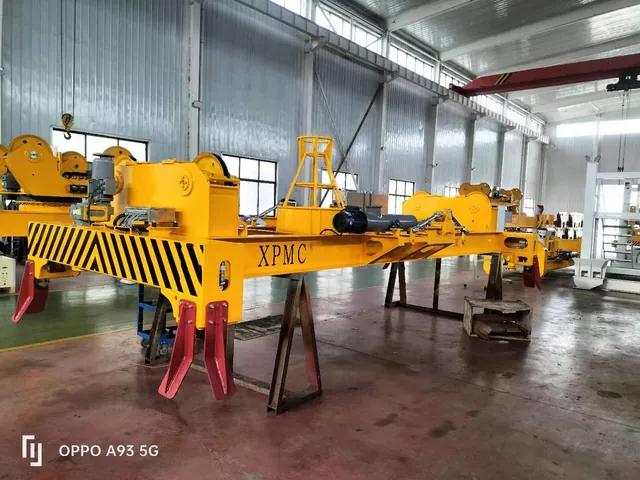
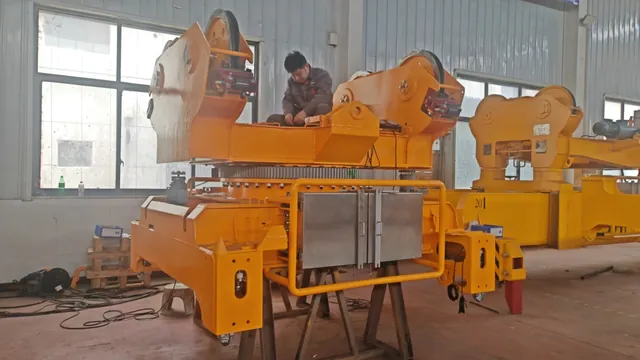
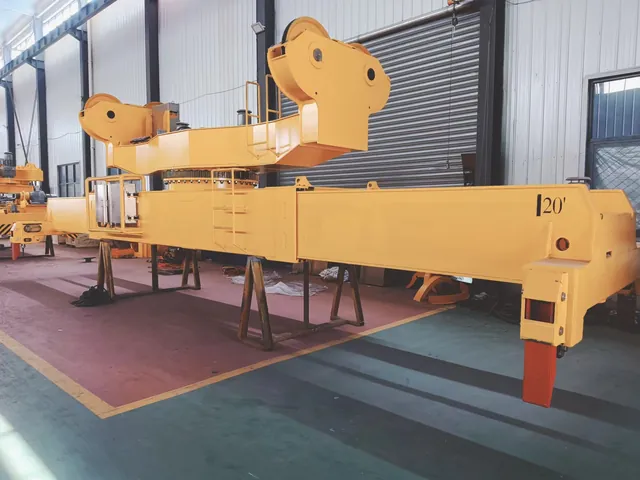
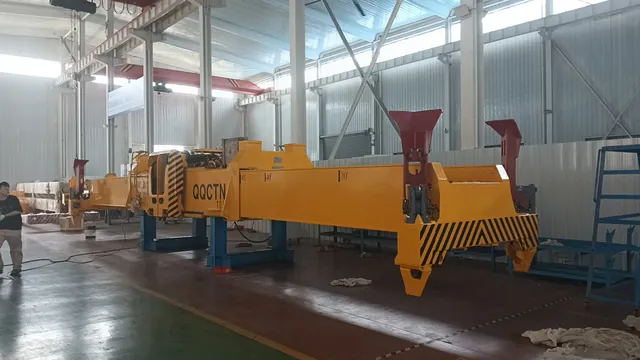
Telescopic spreaders cover 20ft, 40ft and 45ft container lengths within a single unit. The main structure comprises a box-beam main girder, telescopic beams, end beams, telescopic drive mechanism, twistlock drive mechanism and guide plate mechanism — all designed to international standards with a closed box-girder section. All motions are driven through geared brake motors, with electrical control including limit switches, junction boxes, modules, indicators, plugs, sensors and signal transmitters. Telescopic spreaders pair the telescoping mechanism with either independent headblock frames or direct mounting of sheaves, shackles and rope knots on the upper structure.
Fixed-Length Spreaders
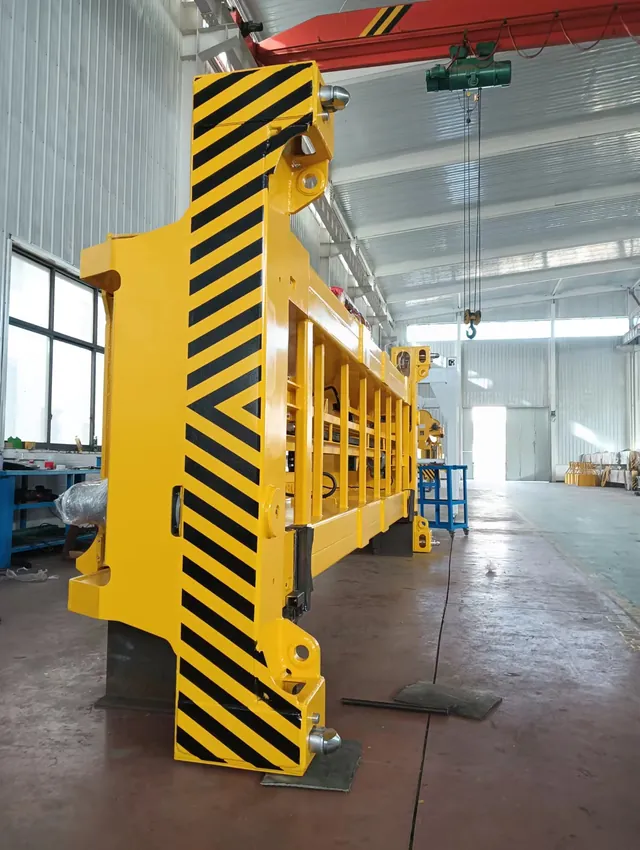
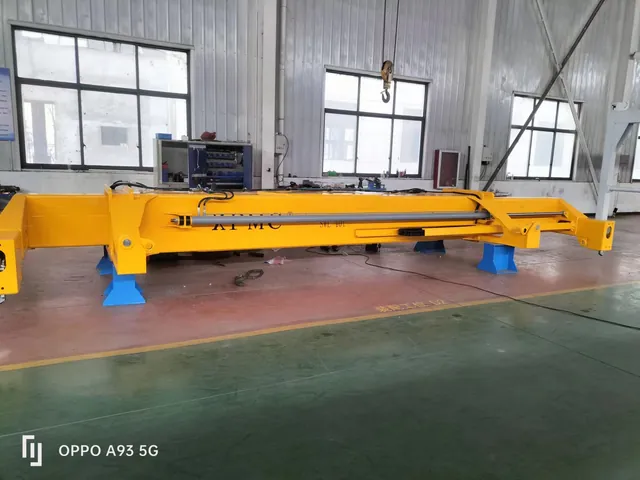
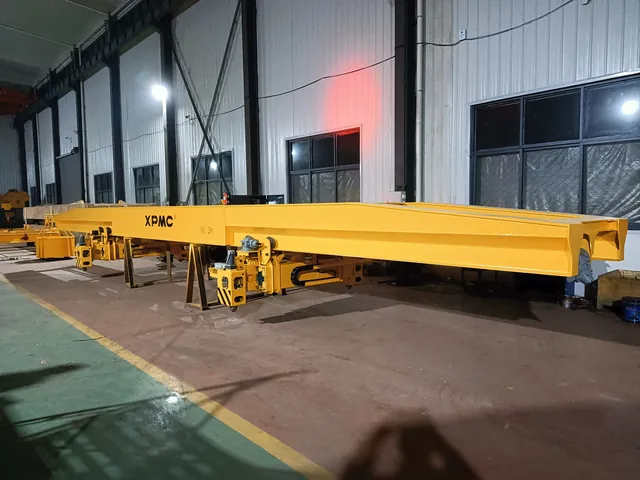
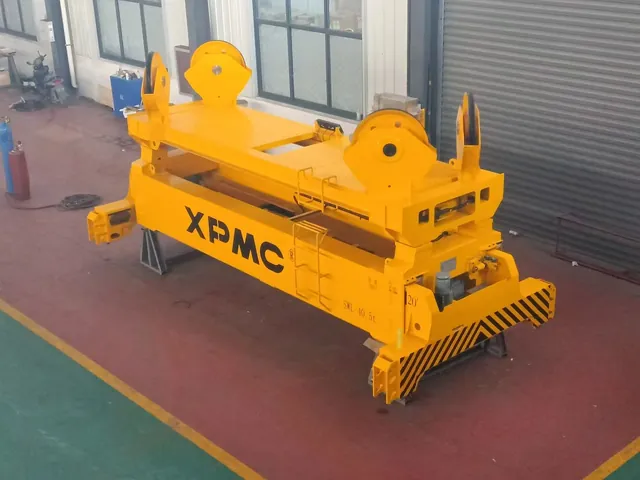
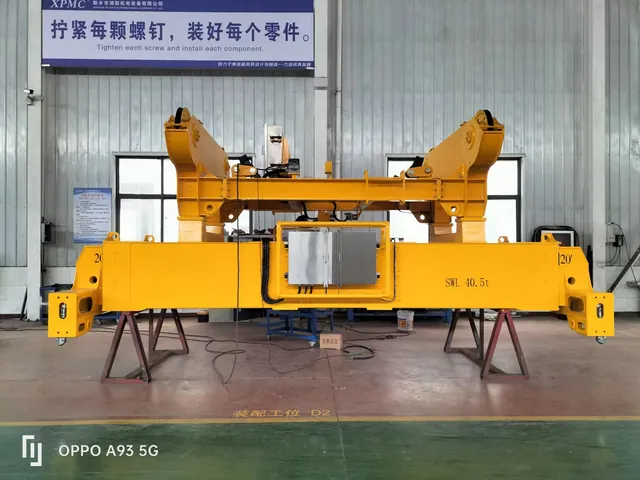
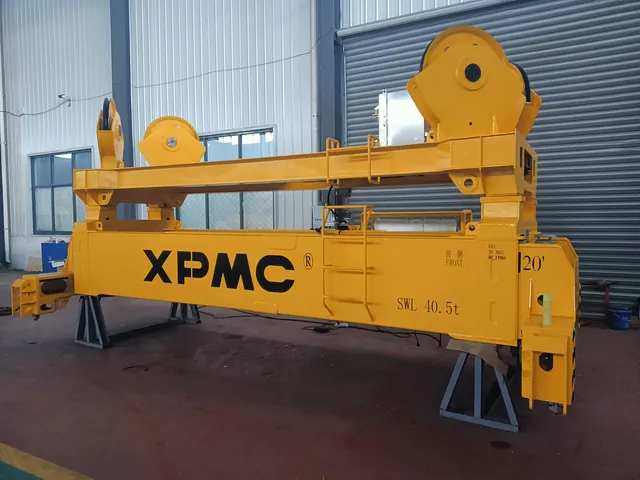
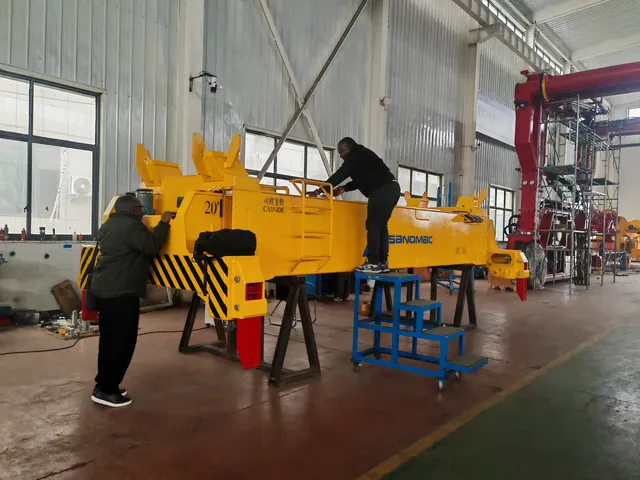
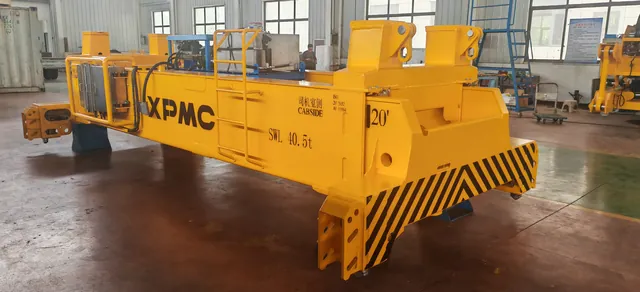
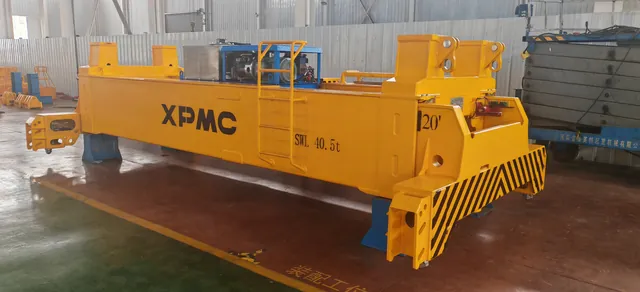
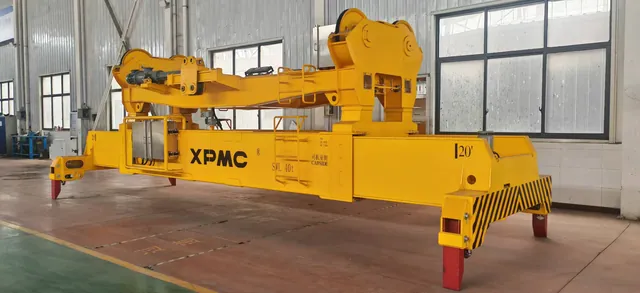
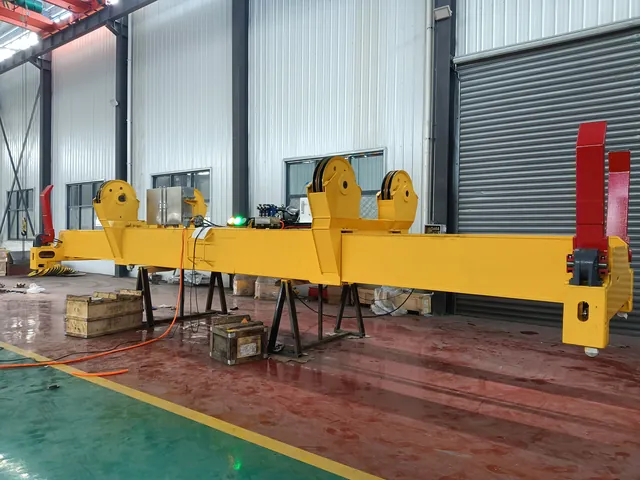
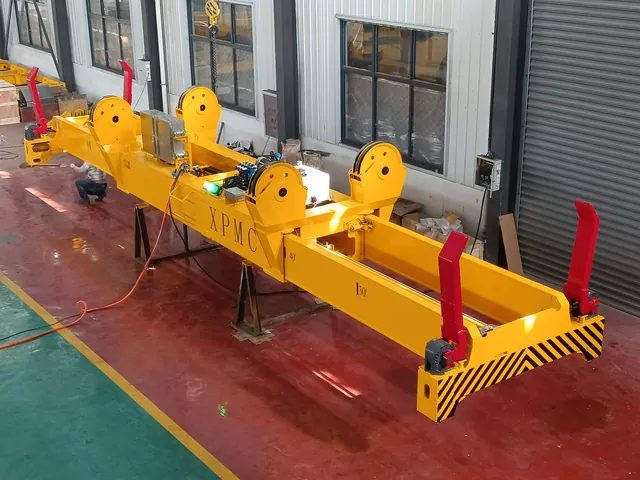
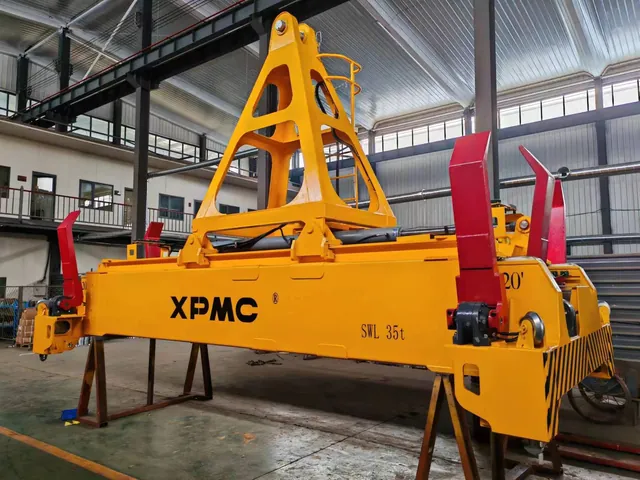
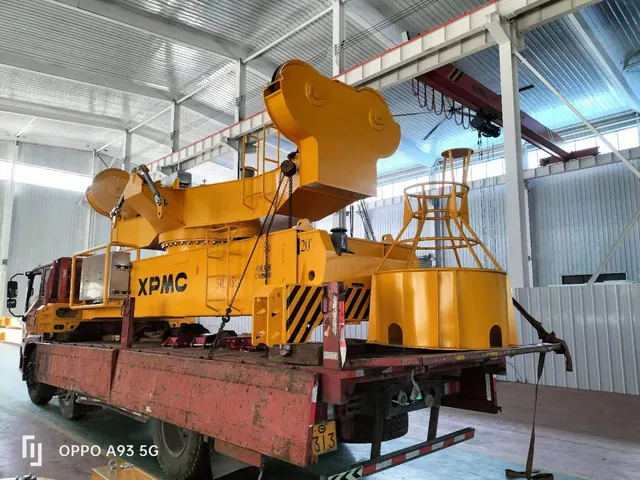
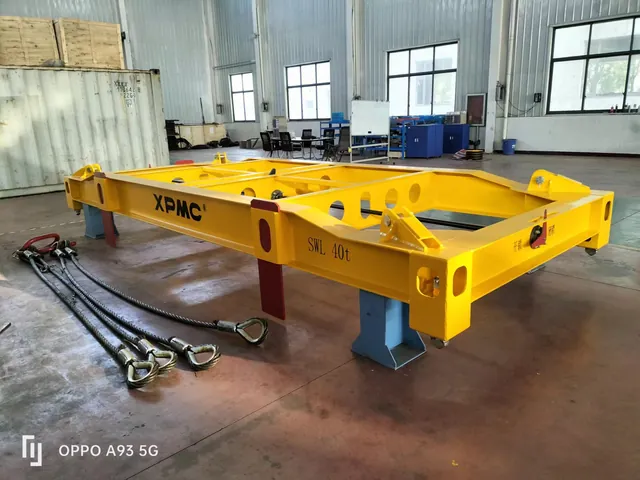
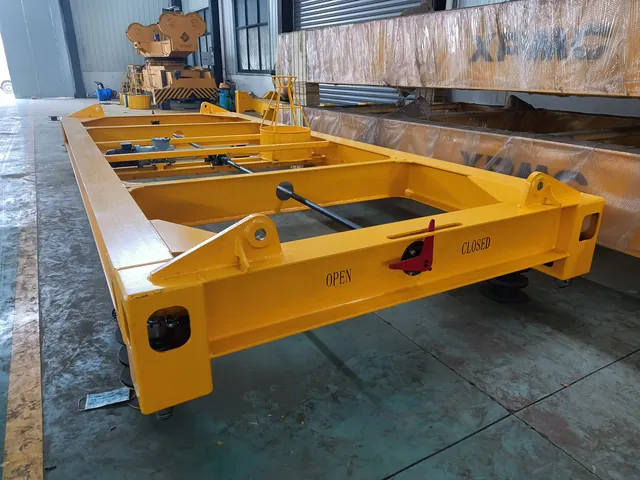
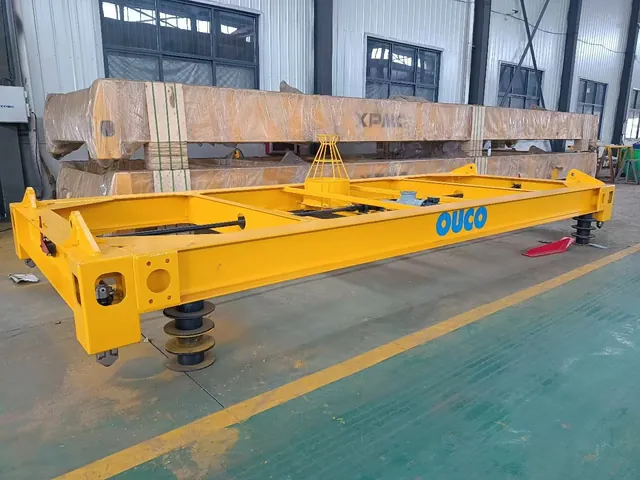
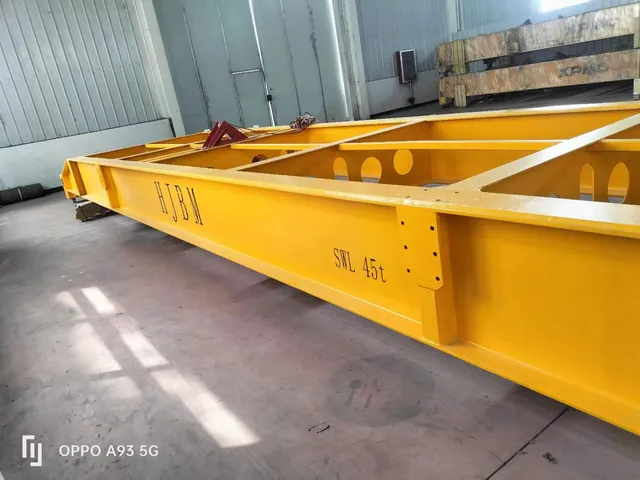
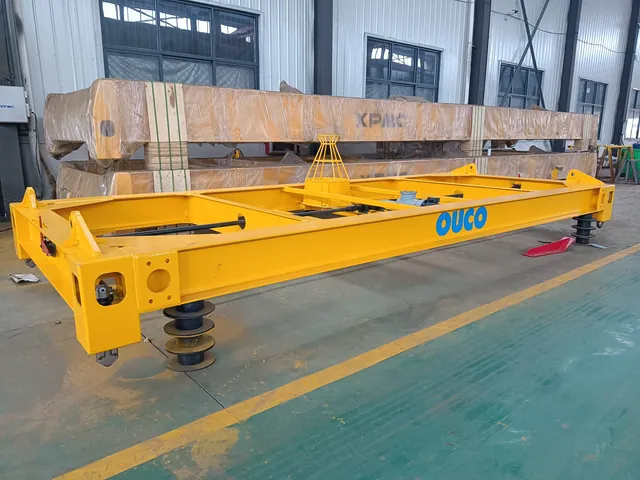
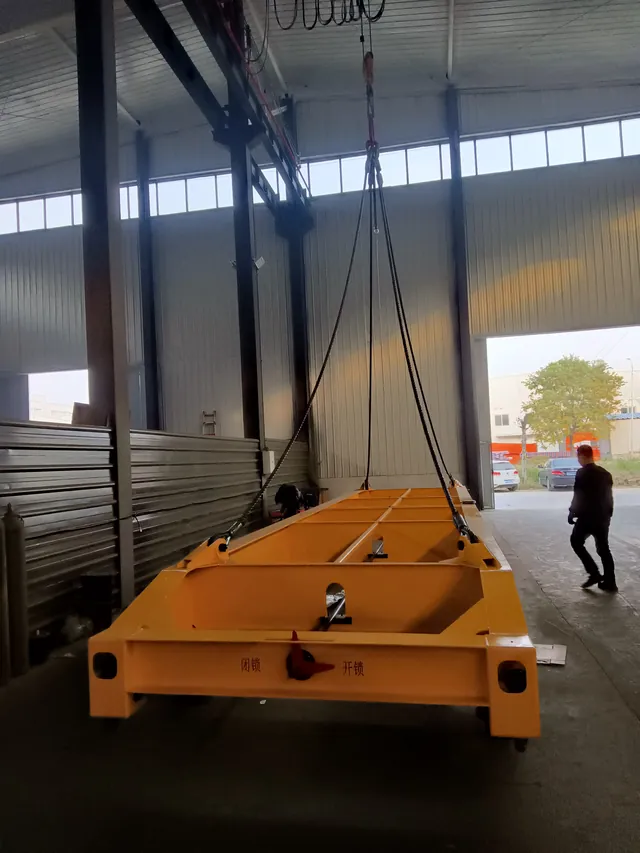
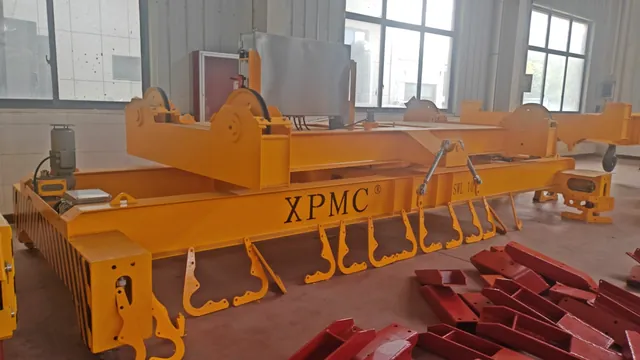
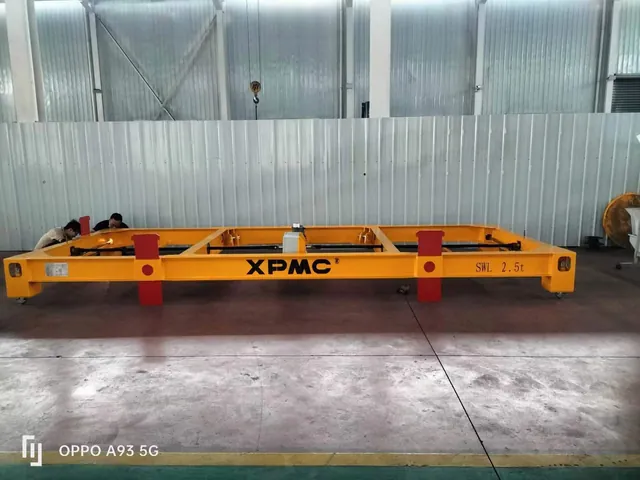
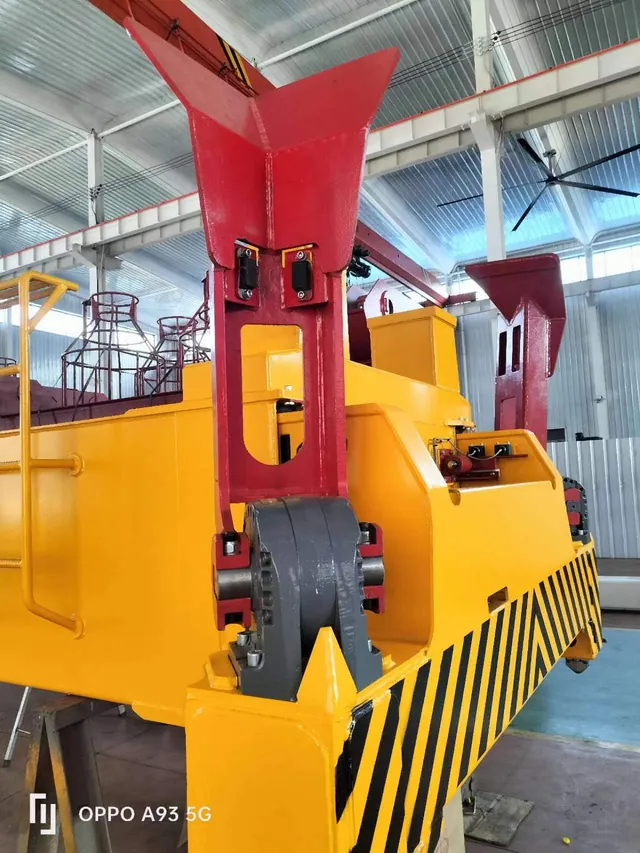
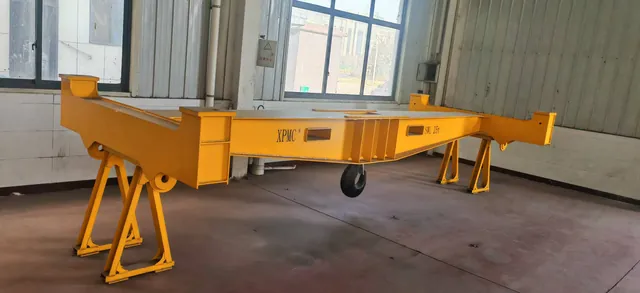
Fixed-length spreaders are purpose-built for one container size — 20ft or 40ft — with a dedicated frame that does not telescope. They share the same box-beam structure, twistlock drive and guide plate arrangement as telescopic models, but without the telescoping mechanism, resulting in lower deadweight and simpler maintenance for terminals and depots handling a consistent box type. Drive is all-electric or hydraulic, with electric versions increasingly preferred for environmental and reliability reasons.
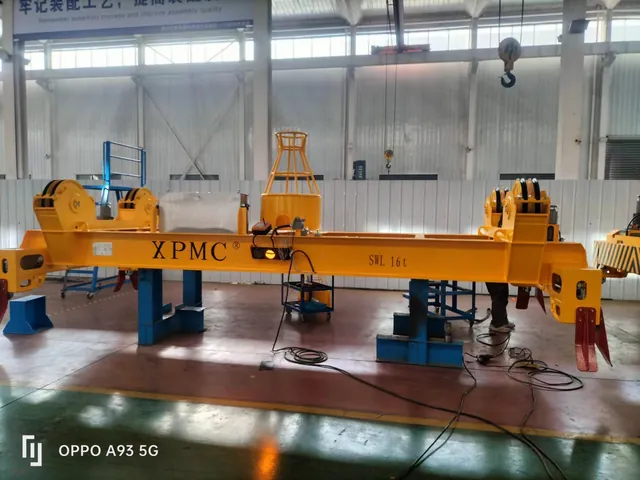
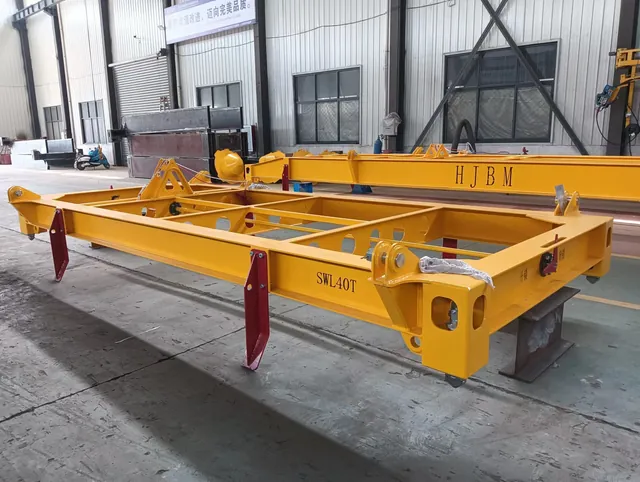
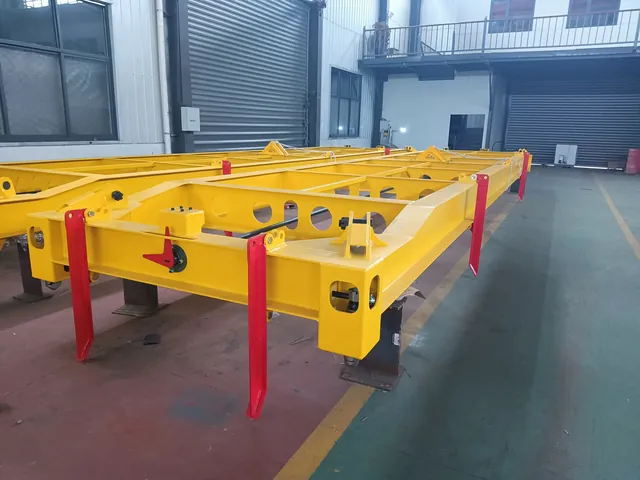
Fixed-Length Spreaders
Single Hook Manual Fixed-Length Spreader with Flip-Up Guide Plates
View details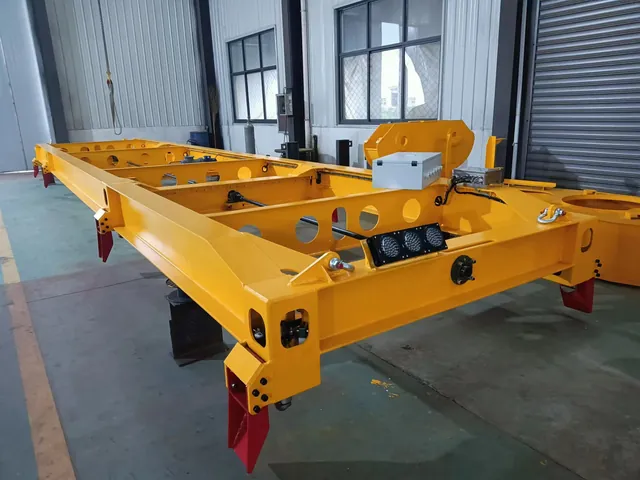
Fixed-Length Spreaders
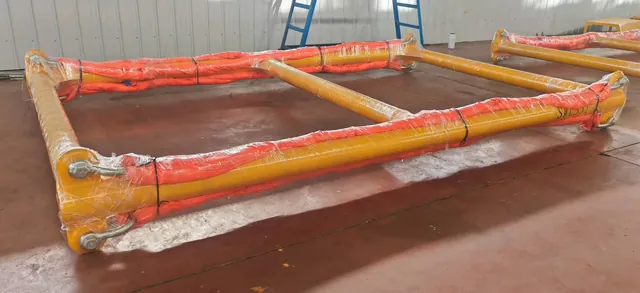
20ft 12-Rope Anti-Sway Empty Container Electric Fixed-Length Spreader
View details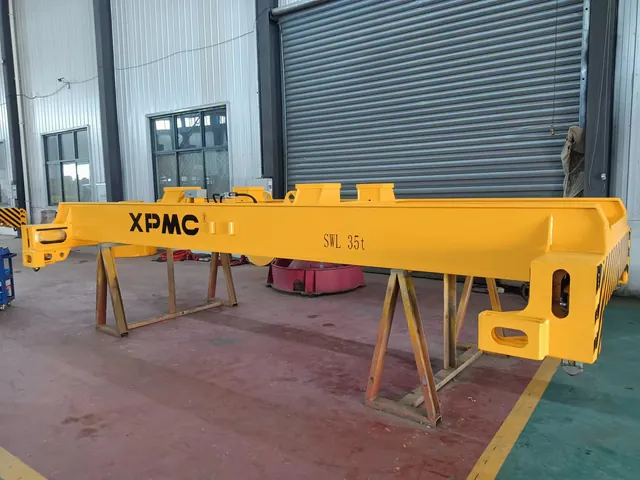
Fixed-Length Spreaders
40ft Manual Fixed-Length Spreader with Configurable Lifting Points
View details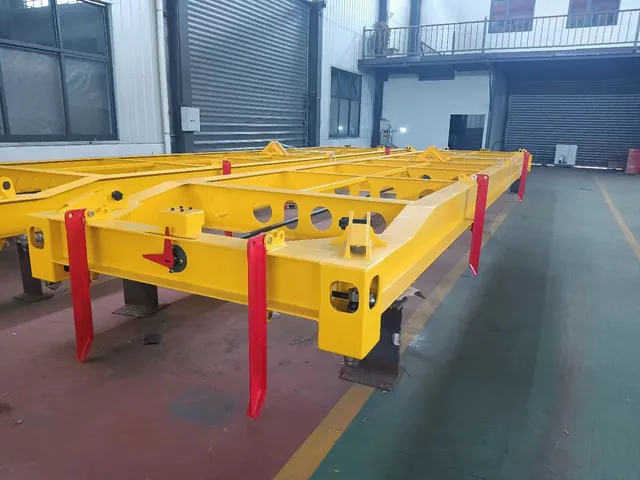
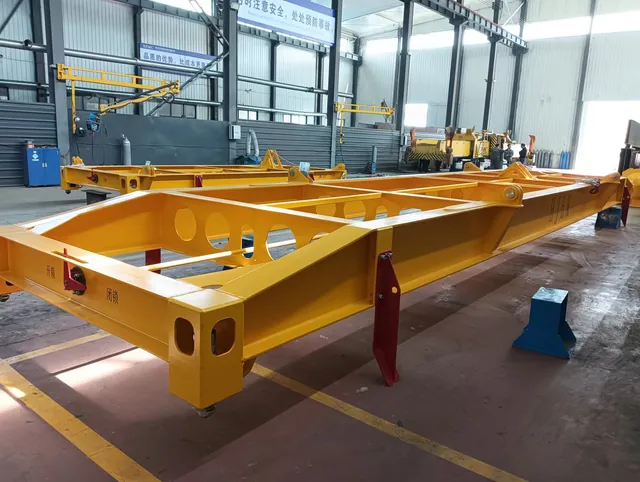
Single Hook Manual Fixed-Length Spreader with Flip-Up Guide Plates
Fixed-Length Spreaders
View full details20ft 12-Rope Anti-Sway Empty Container Electric Fixed-Length Spreader
Fixed-Length Spreaders
View full details40ft Manual Fixed-Length Spreader with Configurable Lifting Points
Fixed-Length Spreaders
View full detailsRotary Spreaders
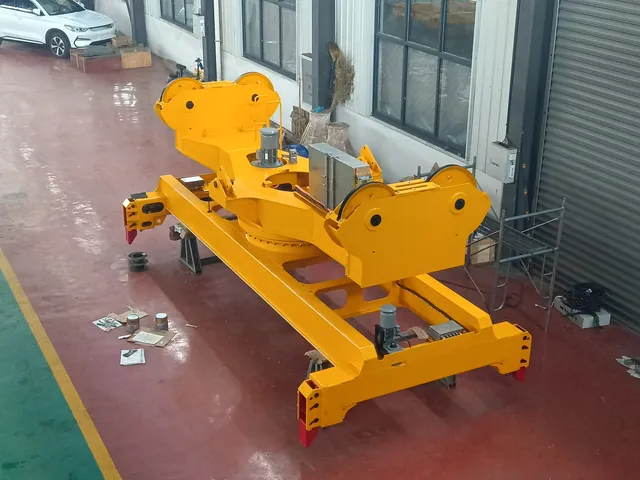
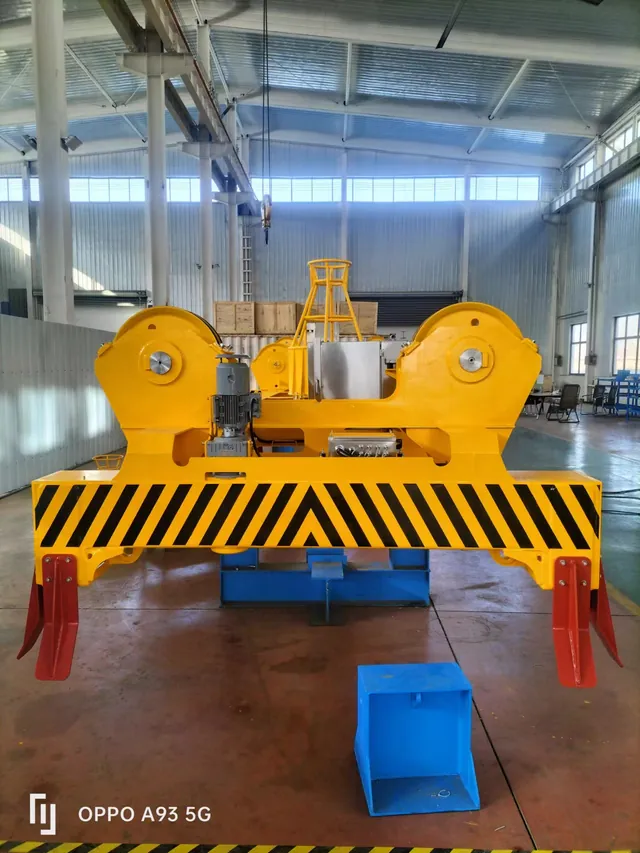
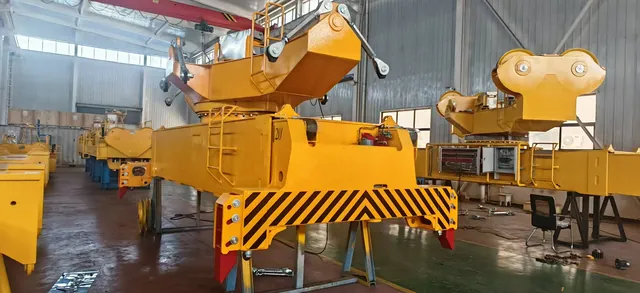
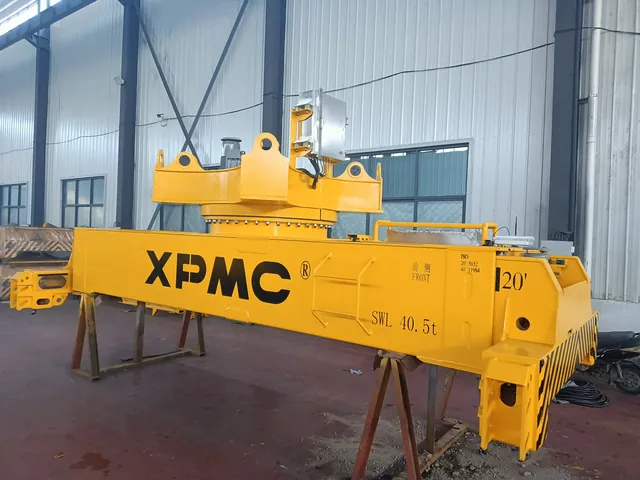
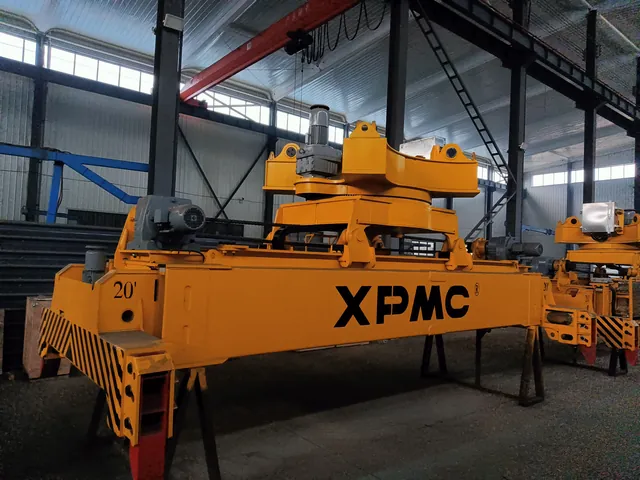
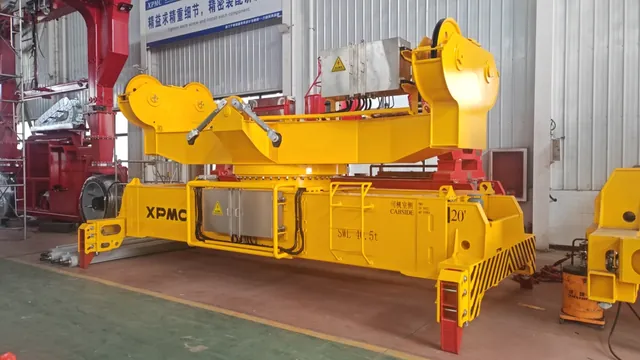
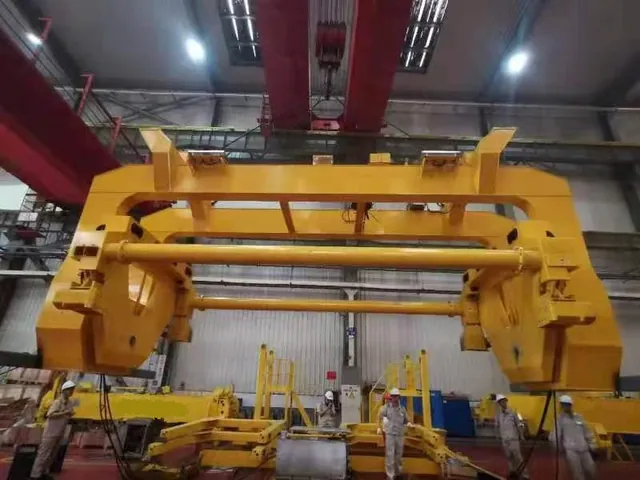
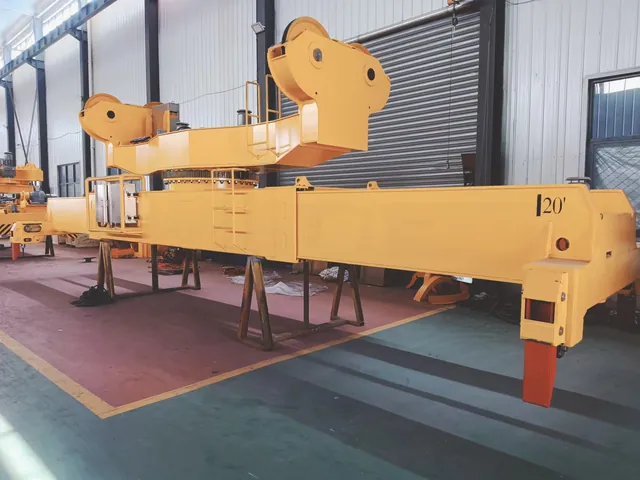
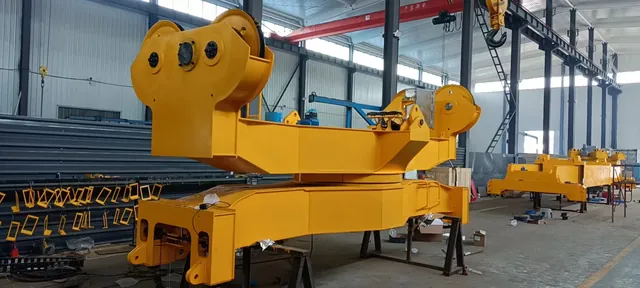
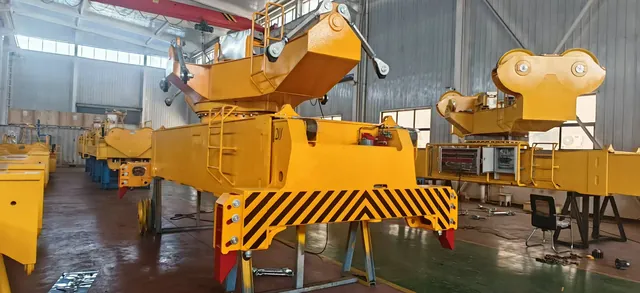
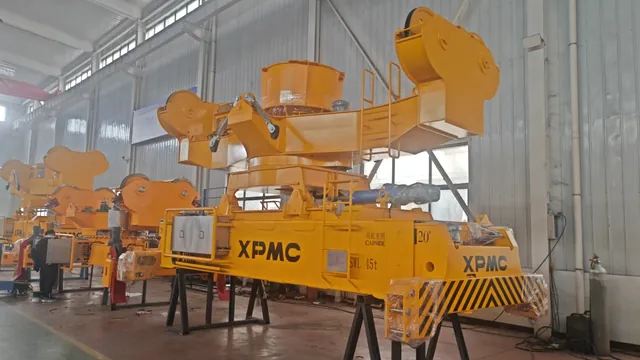
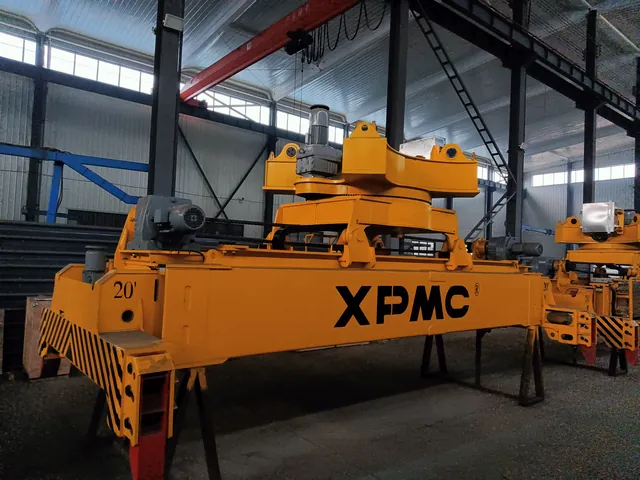
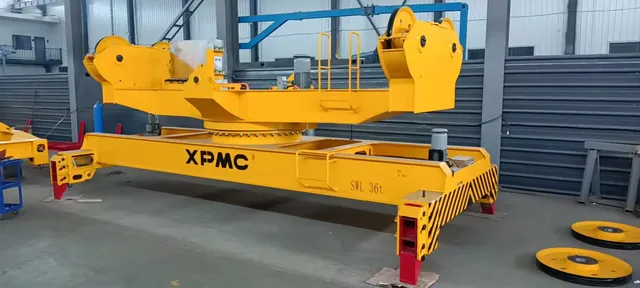
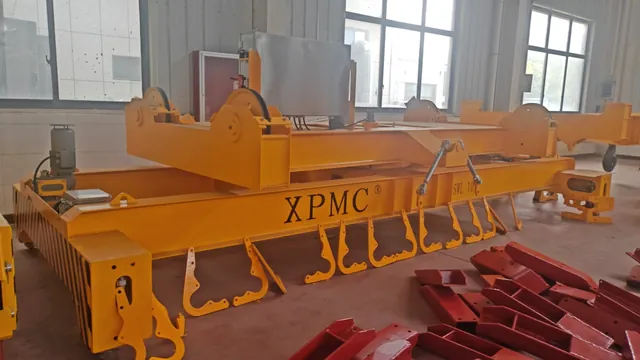
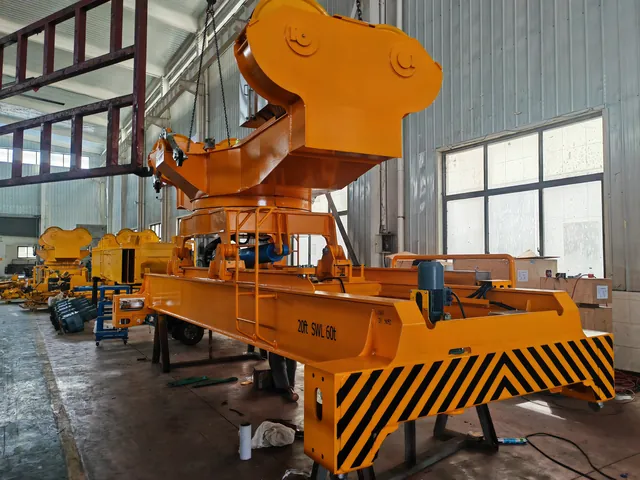
Rotary spreaders incorporate a slewing mechanism that rotates the spreader together with the container during handling. Railway container yards commonly specify rotary spreaders on portal cranes so that container doors stay aligned for efficient train loading. Rotation can be combined with traversing (parallel-shift) mechanisms — both crane-travel-direction and trolley-direction — for tight yard layouts where auxiliary handling time must be kept to a minimum. All auxiliary motions are driven through geared brake motors with electric control.
Twin-Lift Spreaders
Twin-lift spreaders such as the 2-20ft telescopic twin-lift model handle two containers of the same size in a single lifting cycle. Based on a telescopic spreader platform with four corner twistlocks per box, they double per-cycle productivity on high-throughput quays and yard operations. Twin-lift designs pair the telescoping main beams with dual-box positioning and alignment features for safe simultaneous handling.
Headblocks and Upper Frames
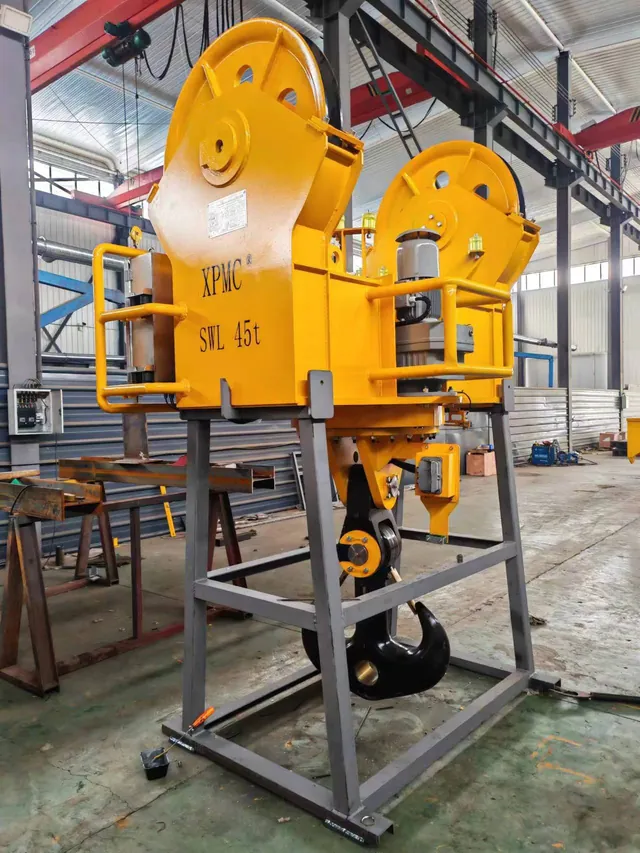
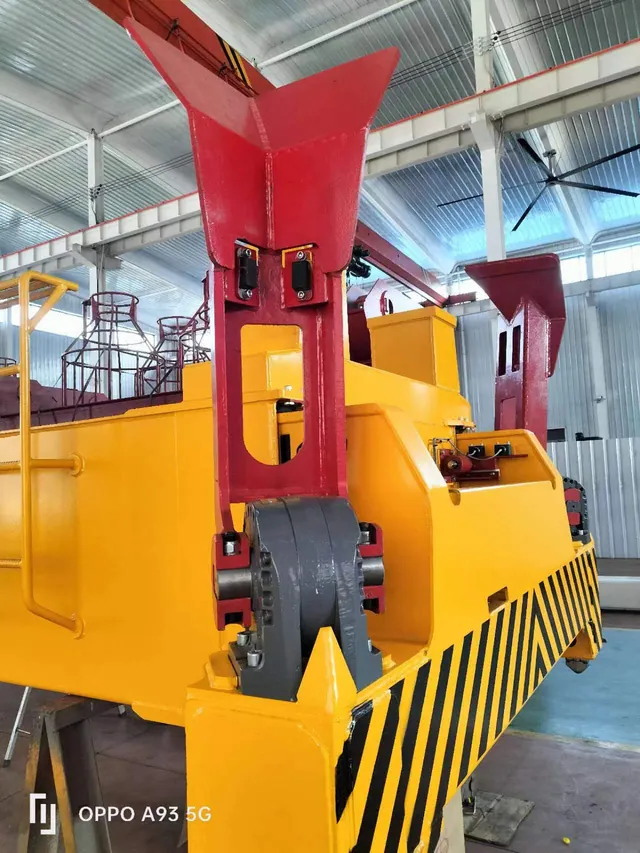
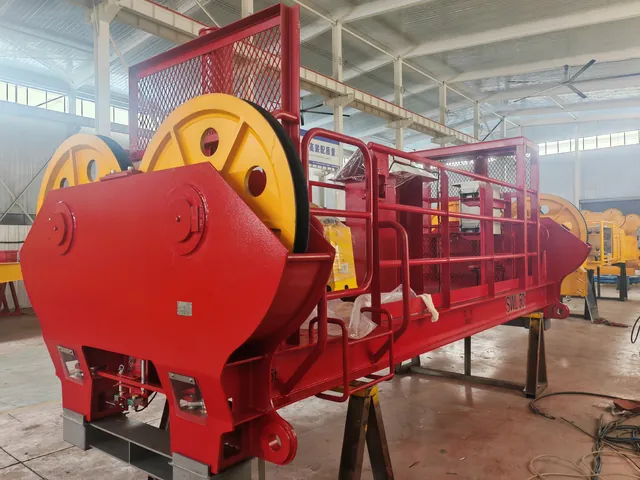
Headblocks (upper frames) connect the host crane to the spreader below. Different headblock types serve different purposes: quick-change versions let operators swap spreaders for different container sizes or tasks, while others incorporate slewing or traversing mechanisms. Two common configurations are the twistlock-connection pulley headblock (four rope sheaves connected to the crane wire ropes, with bottom twistlocks mating directly to the spreader top) and the slewing-bearing pulley headblock (same four-sheave arrangement, with a slewing bearing between headblock and spreader to accommodate rotation). Headblock-to-spreader connection uses twistlocks or pins; headblock-to-crane connection uses pulleys, shackles or rope knots.
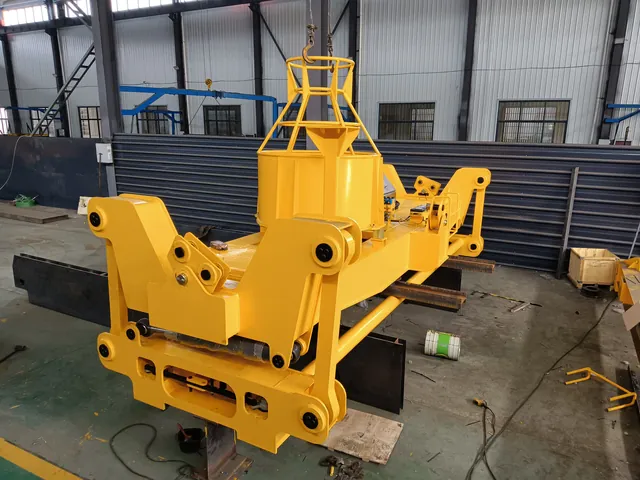

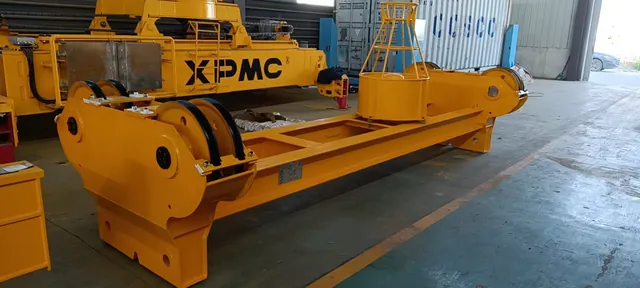
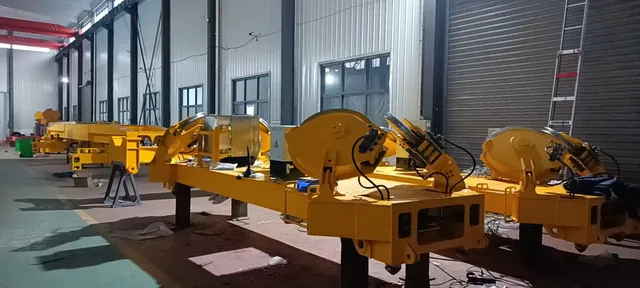
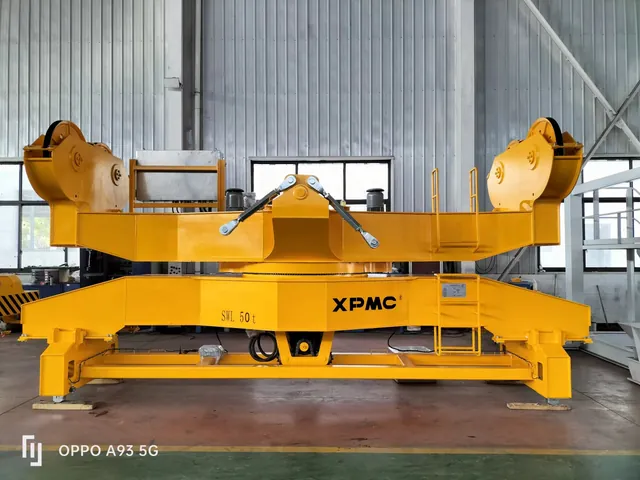
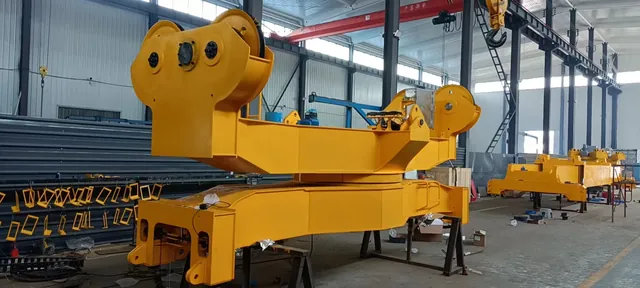
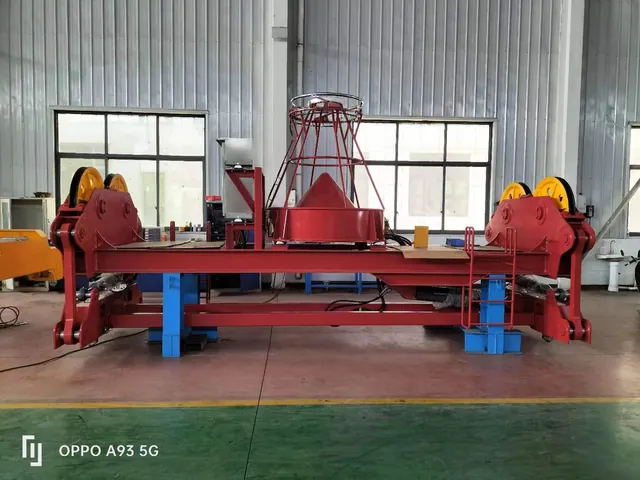
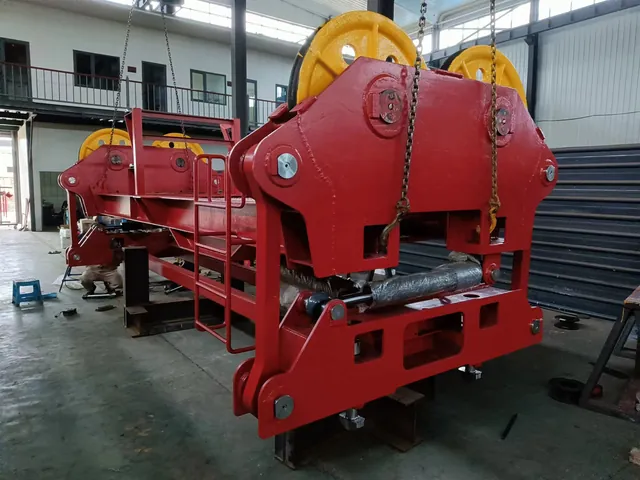
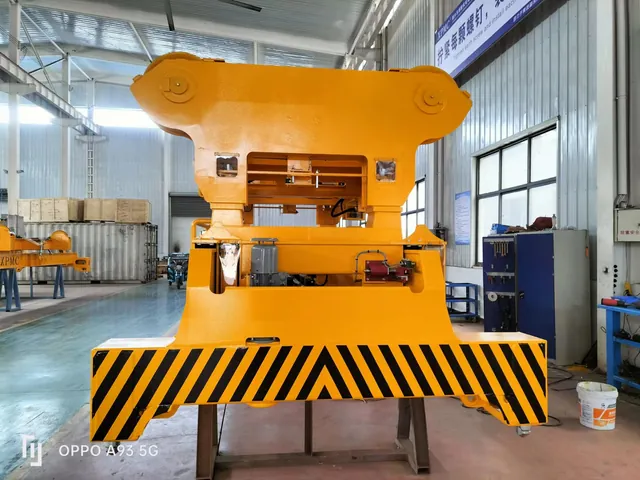
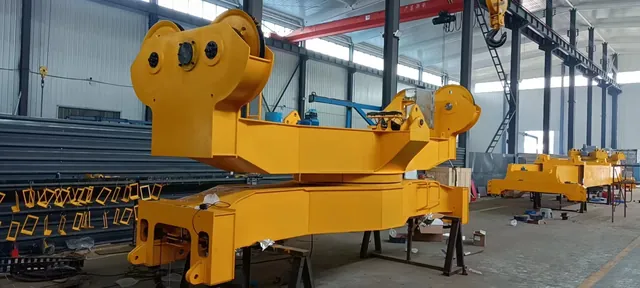
Pulley-Type Hydraulic Traversing and Deflecting Headblock
Headblocks and Upper Frames
View full detailsSemi-Automatic Spreaders
A semi-automatic spreader operates between fully manual and fully automatic, balancing efficiency with cost. Twistlock engagement and disengagement are motor-driven, while the landing operation retains manual oversight — a practical compromise for moderate-throughput terminals, logistics depots and smaller rail yards that do not require the full automation and higher investment of a telescopic or rotary electric spreader. Like other spreader families, the core structure uses a closed box-girder section with geared brake motor drives and standard electrical control systems.
Overheight Frames
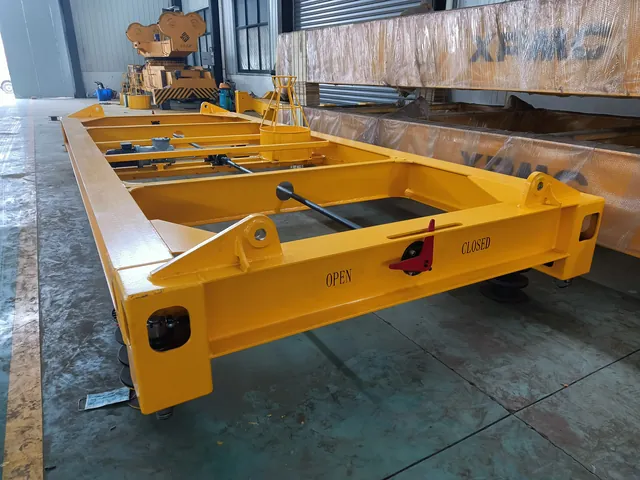
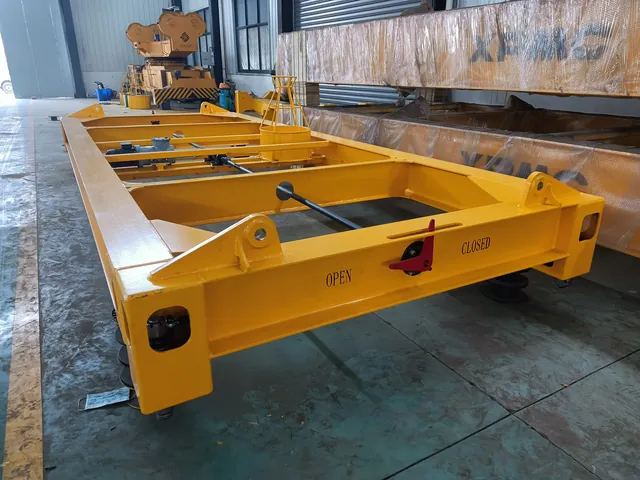
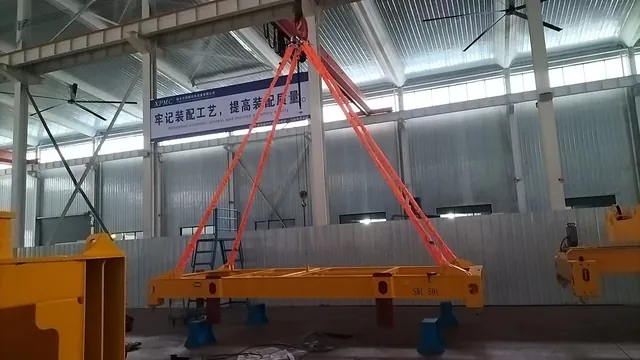
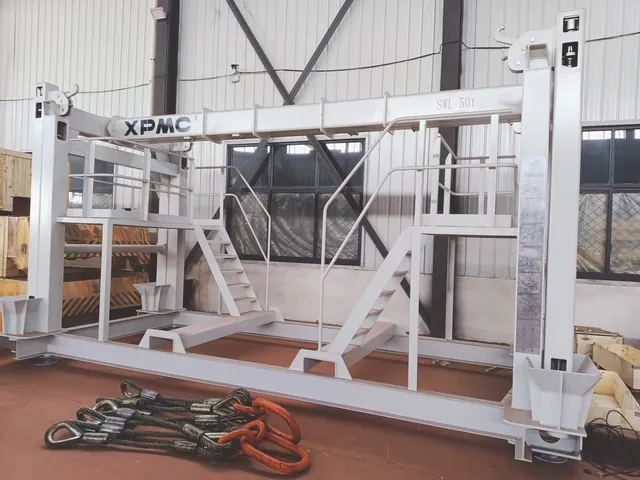
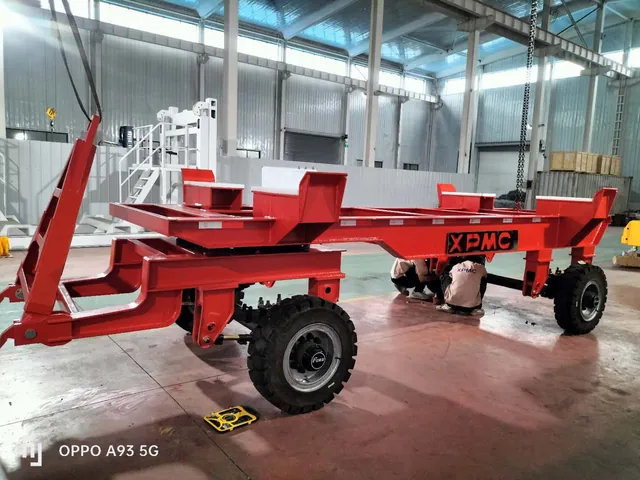
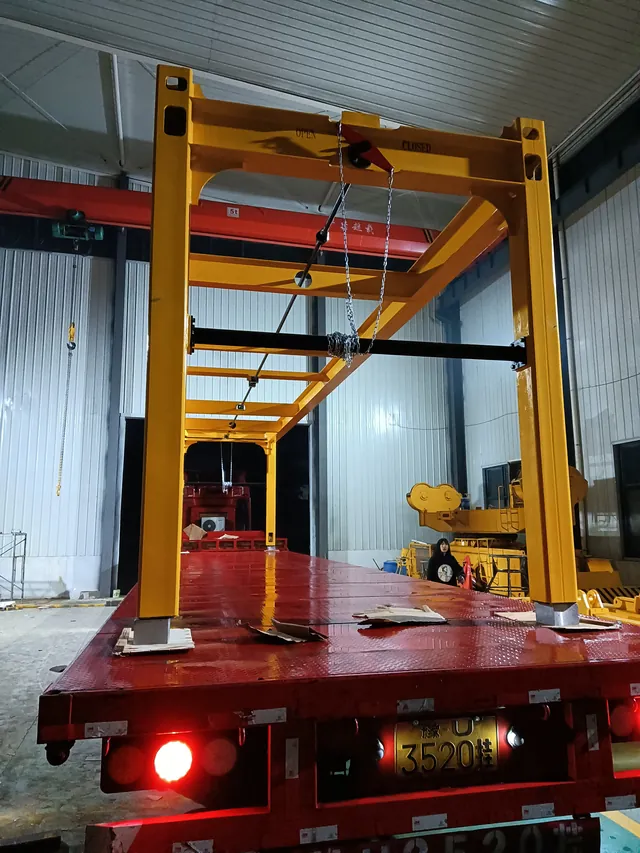
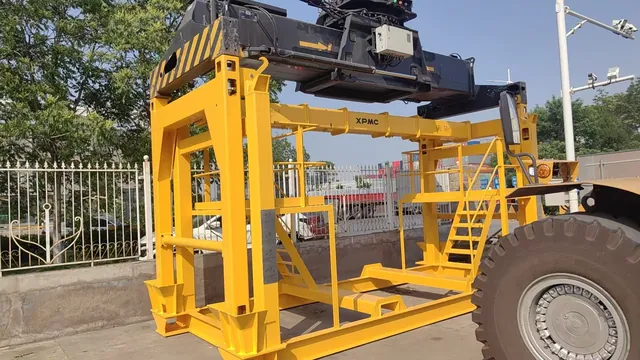
Overheight frames and attachments for host cranes with limited lifting height, or where extra operating height is required.
Lifting Hooks and Beams
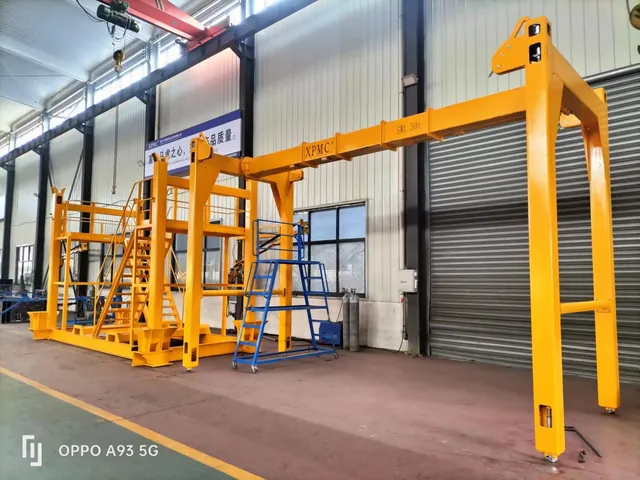
Hooks, crossbeams, lifting beams and guide plates for general cargo and special handling conditions.
Tell us the crane. We will size the spreader.
Send the host crane type, container sizes and working conditions. Our engineers will come back with a scheme, a drawing and an indicative price.